
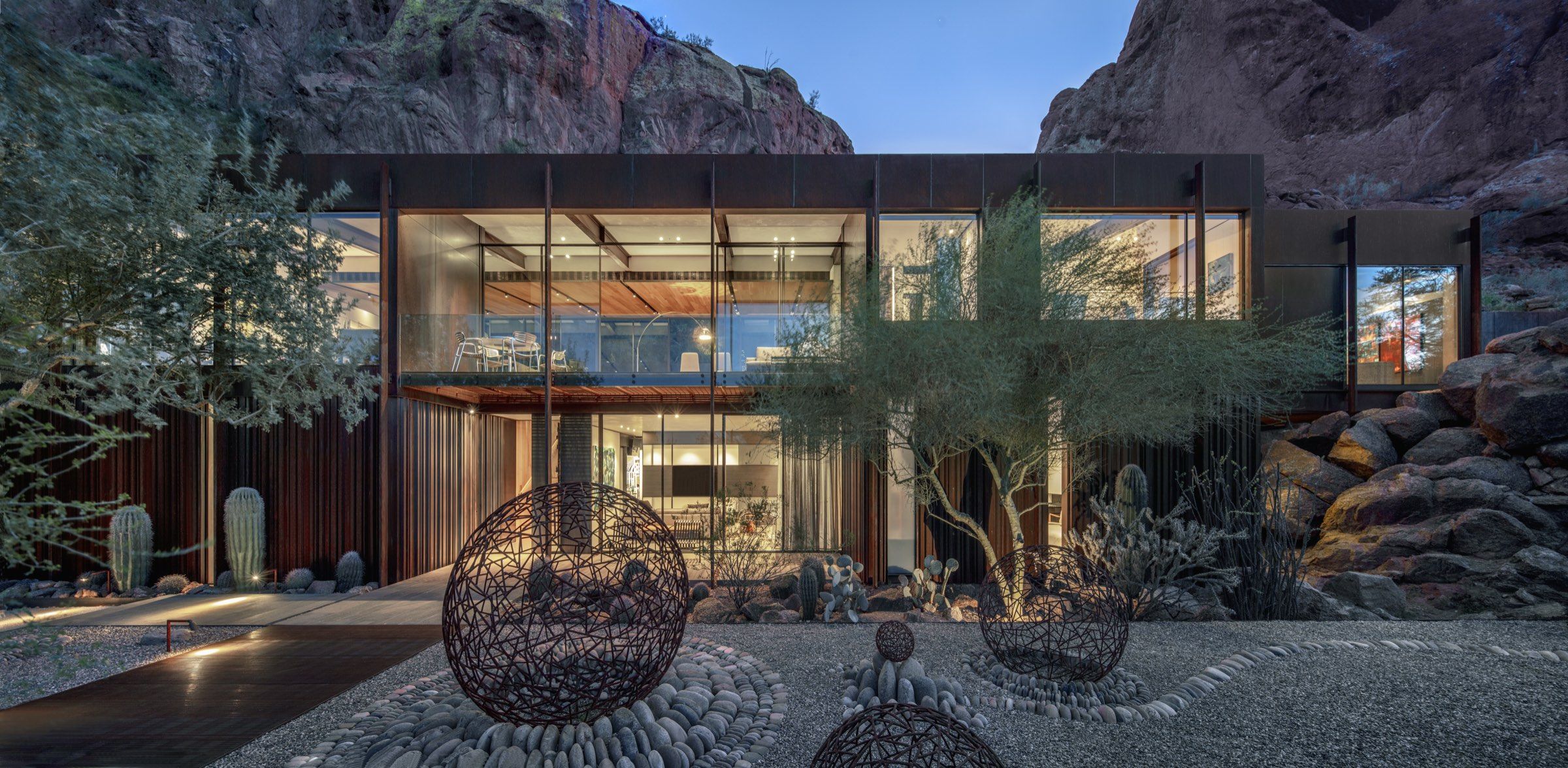
Our Systems
What makes a system worth living with
Three principles decide almost everything we specify. They are not marketing — they are what we argue about in the design meeting.
Ease of use
The most common fault we are called out to is not a fault. It is a system nobody was taught to use, or one that changed its mind. Ours are built around one button that does the same thing every time, whether it is on a wall panel, a phone or a tablet.
Reliability
Equipment fails where it was compromised — the cheap switch, the run that was a little too long, the device nobody is watching. We specify to the budget you have, but we do not thin out the parts that everything else depends on. A system should be boring for a decade.
Aesthetics
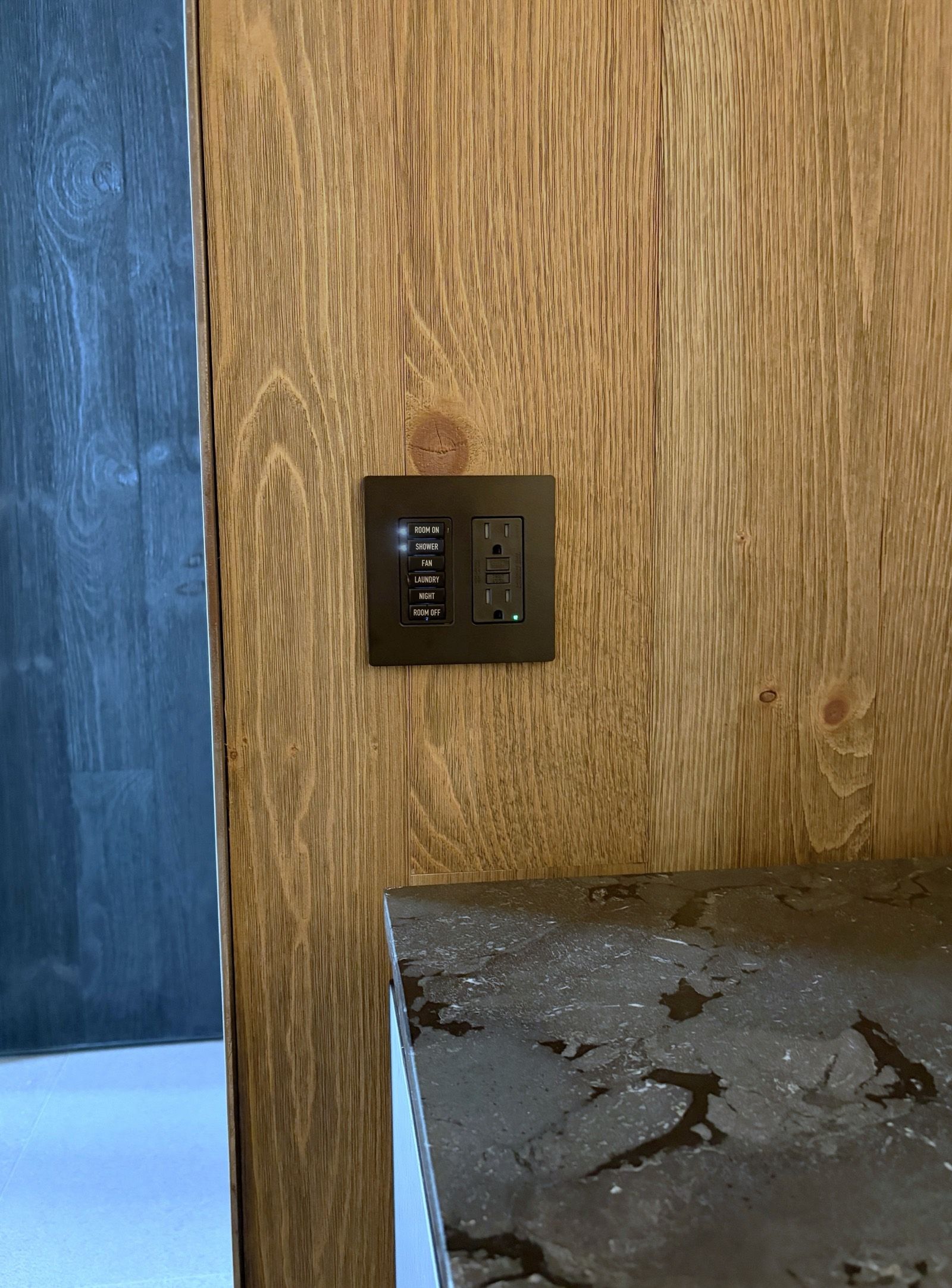
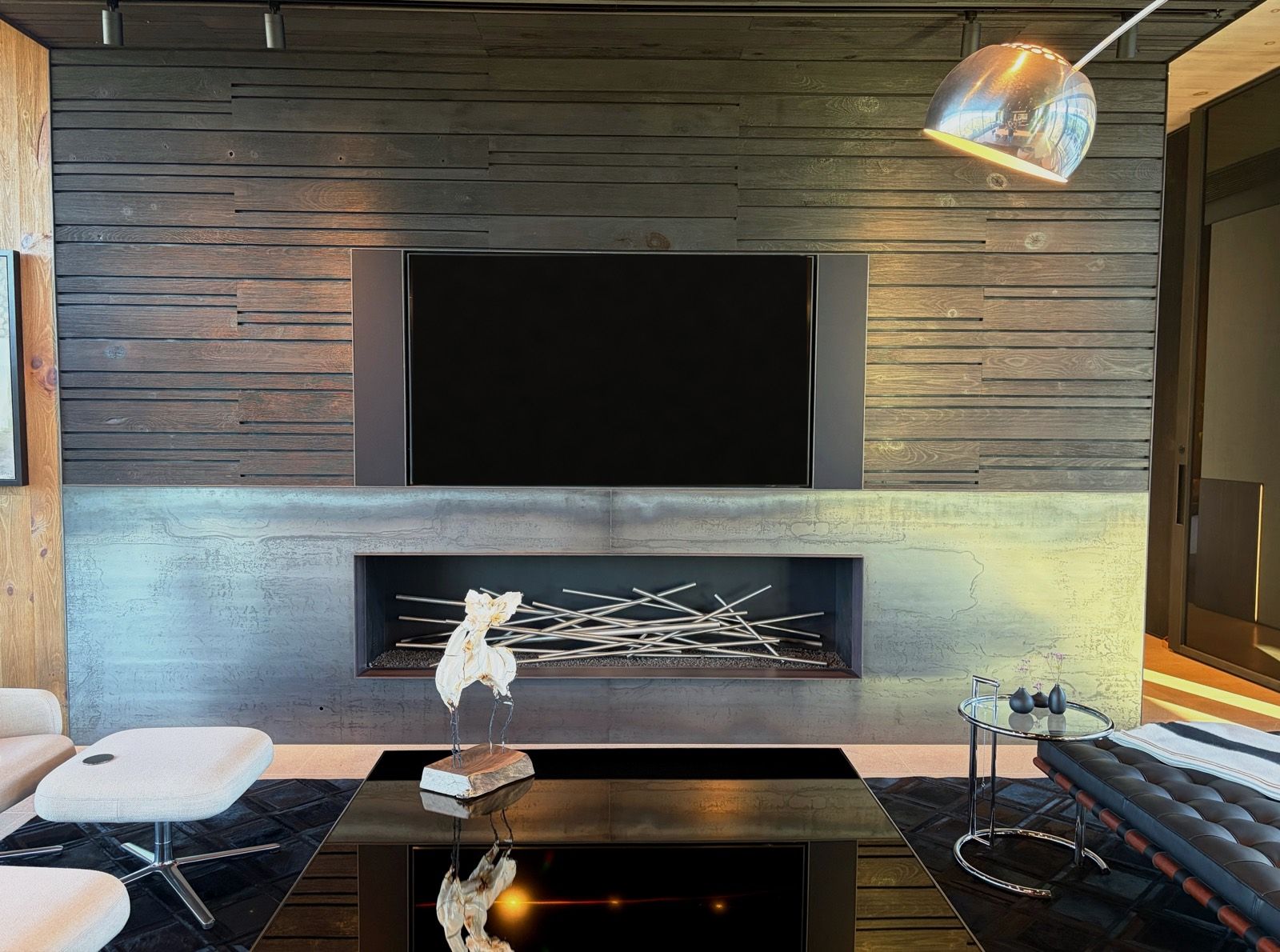
Integration is mostly subtraction. Light switches, volume controls, thermostats and security keypads collapse into one plate, speakers vanish into the ceiling, and the rack lives somewhere nobody has to look at it. The room should not announce what it cost.
How a project runs
From the first drawing to the final walkthrough
One team carries the whole thing. That is the difference between equipment that was installed and a system that was designed.
Design
We sit with your architect, designer or builder while the plans are still moving, and mark up where the infrastructure has to go before the walls close.
Supply
We specify and supply every part. No chasing three vendors and hoping their equipment agrees on arrival.
Install and program
Our own crews, then the control programming — the part that turns a pile of good equipment into one system.
Support
Handover, training for whoever actually uses the room, and optional round-the-clock monitoring under the Technology Assurance Plan.
Who you'll work with
The same people, start to finish
Desert Systems works out of one building in Tempe. The person who draws your system is the person who specifies the equipment, and you will see them again at the final walkthrough.
After handover
The Technology Assurance Plan
Most faults give warning long before anyone notices — a switch running hot, a drive filling up, a device that has stopped checking in. The plan watches for the warning rather than waiting for the call.
Two levels of cover, for residential and commercial systems alike, and it is optional. Plenty of our work runs for years without it.
Behind the wall
Where it all lands
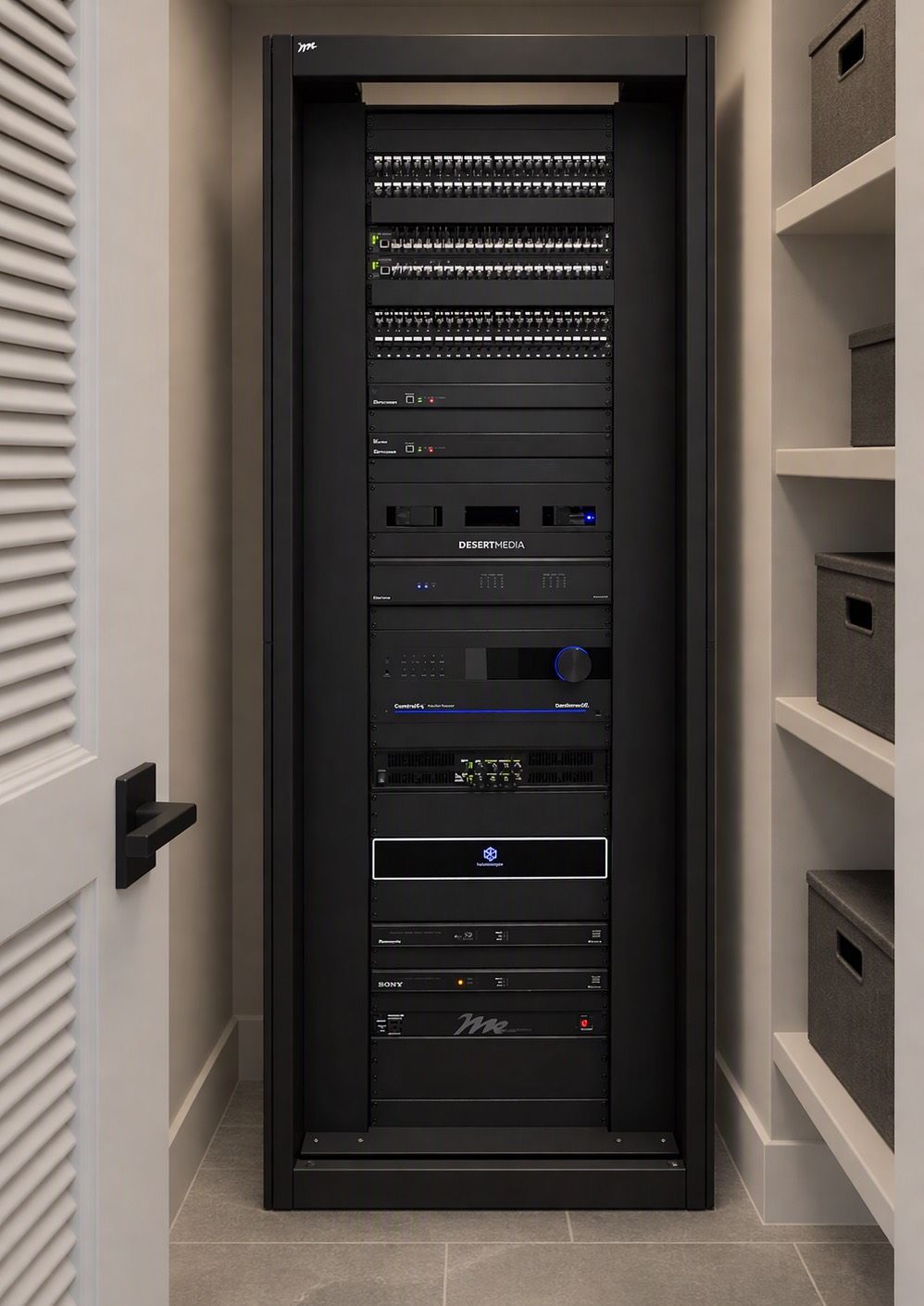
Every room in the house arrives here — the network, the audio, the video, the lighting and the control that ties them together.
Racked so it can be worked on, labeled so the next person does not have to guess, and ventilated so it is still running in ten years.
The best system is the one nobody has to explain.
We work with architects, designers, custom builders and homeowners across Arizona. The earlier in the drawings we are, the less any of this costs.